TL;DR
- Dental veneers are customized thin shells cemented to the front surfaces of the teeth that are chipped, discolored, or cracked.
- Although they restore the tooth structure aesthetically, they cannot offer functional restoration in case of missing teeth.
- Dental veneers have limitations because they require adequate tooth structure for adherence and are not strong enough to provide functional stability.
- Missing teeth require stronger restorative options such as dental implants, bridges, or dentures for stability and oral function.
Dental Veneers for Missing Teeth: Is It the Right Choice?
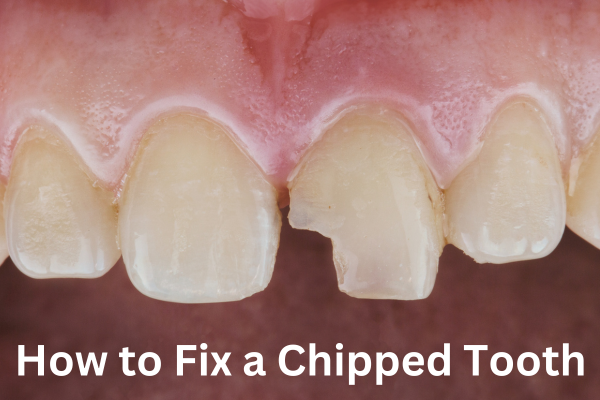
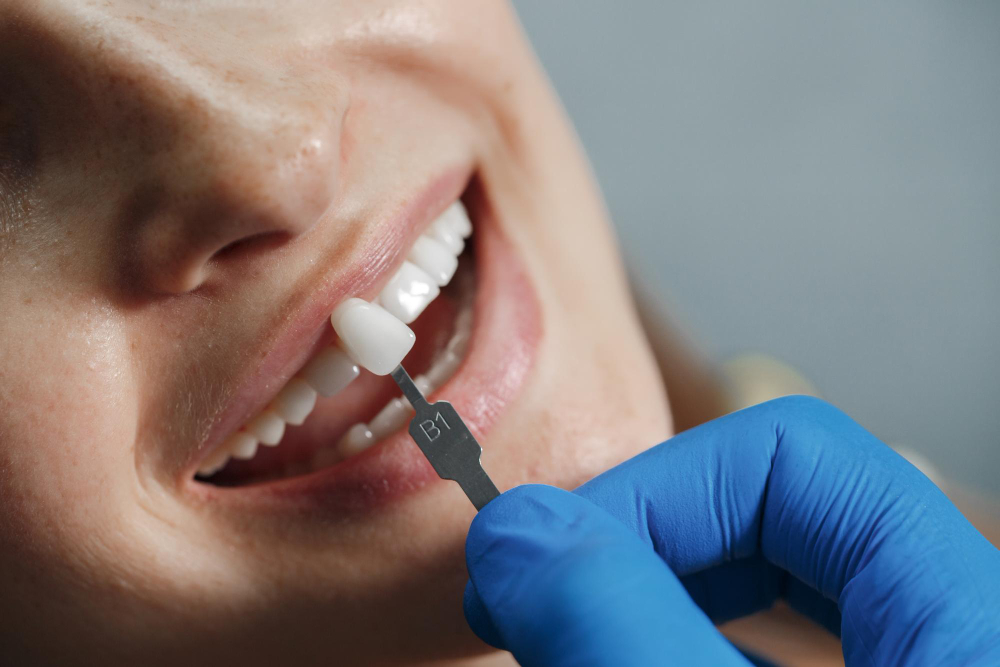
Dental veneers are thin, custom-made shells that are bonded to the front surface of natural teeth to improve their appearance. They are commonly used in cosmetic dentistry to enhance existing teeth by correcting issues such as minor damage, gaps, or discoloration.
The key term here is “existing,” because veneers rely on an underlying tooth structure for support. This means that while they are highly effective for cosmetic enhancements, they are not a suitable option for replacing a missing tooth on their own.
Nevertheless, veneers can be complemented well by other options, such as dental implants and bridges, for tooth restoration. In this article, we will explain why dental veneers for missing teeth are not suitable and briefly outline the commonly recommended alternatives.
Why Veneers Cannot Be Used for Missing Teeth?
Before considering dental veneers, it is necessary to understand the basic design limitations that make veneers unsuitable as an independent option for tooth replacement. Here are some reasons why dental veneers for missing teeth are not an ideal choice:
-
Require Existing Tooth Structure
Veneers are bonded directly onto the front surface of natural teeth using dental cement. This requires enough enamel and a healthy structure for the veneer to adhere to. Where there is no tooth, there’s nothing to actually attach the thin shells to, so they cannot be placed in an empty space.
-
Suitable for Cosmetic Purposes
Being cosmetic in nature, veneers can cover chips, discoloration, and minor gaps among the teeth, but not replicate the anatomy of a full tooth. They also do not have roots, bulk, or strength to resist chewing forces, align bites, or halt bone loss due to the lack of stimulation from the missing teeth.
-
Lack of Structural and Functional Support
Veneers do not provide functional support or stability, unlike implants or bridges. They cannot close gaps or prevent adjacent teeth from drifting into the space. Veneers also cannot withstand too much pressure from grinding or biting.
In some situations, veneers may be used in combination with other dental treatments to address very small gaps caused by minor tooth loss or to improve the appearance of a tooth adjacent to a missing tooth when other restorative options are in place. However, on their own, veneers cannot replace a missing tooth.
Alternative Options for Missing Teeth
Given the fact that dental veneers for missing teeth are not a feasible alternative, we at Hopkins Family Dentistry recommend these reliable alternatives for tooth replacement:
Dental Implants
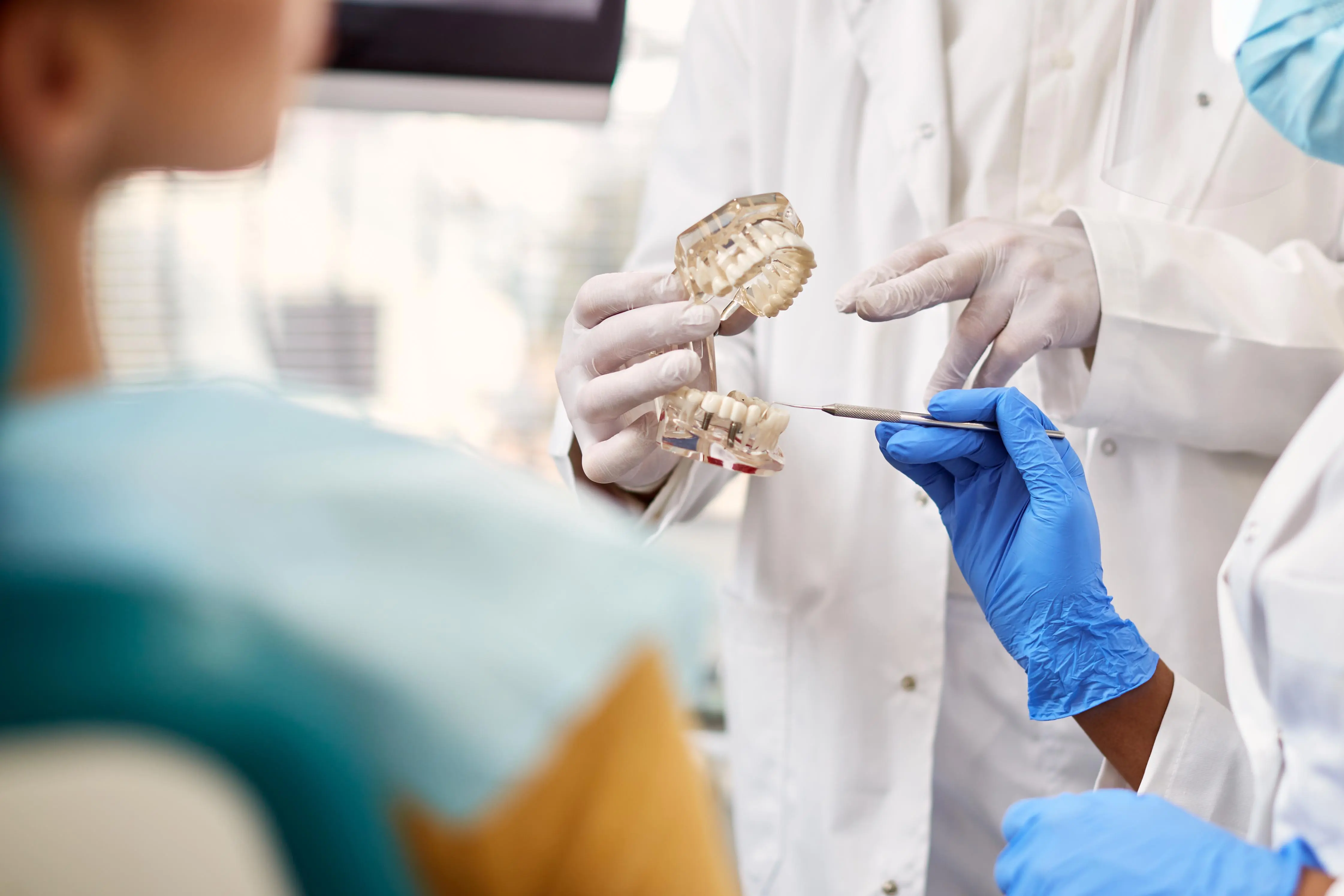
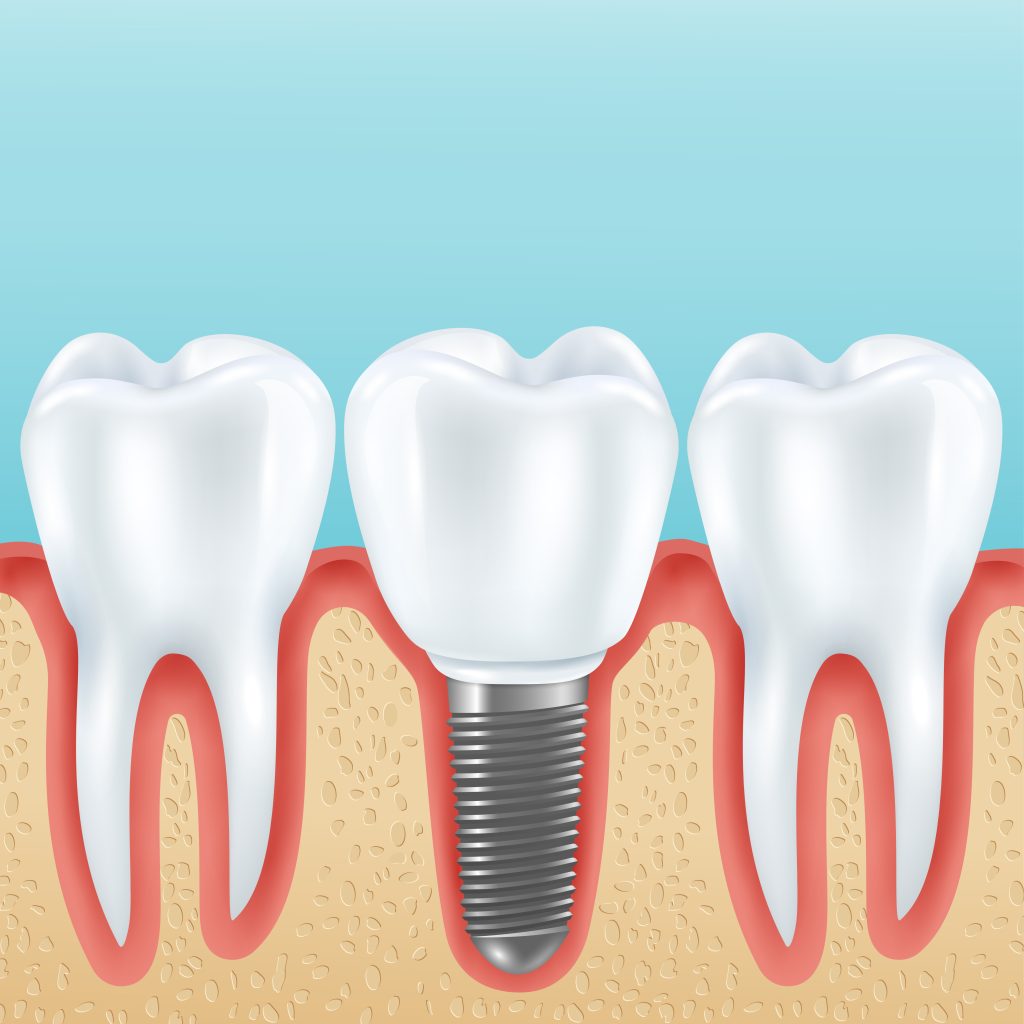
The gold standard for replacing a single or multiple missing teeth is a dental implant, which mimics a natural tooth root by surgically inserting a titanium screw into the jawbone. This ensures that there will be no bone loss on the implant site, and it will last for 20+ years. Implants also provide support for chewing and speaking.
Although it requires 3-6 months to heal and is more expensive, it retains facial support and protects the remaining natural teeth, making it perform better than other tooth replacement options.
Dental Bridges
Conventional bridges are used to fill gaps through anchoring artificial teeth, or pontics, onto the crowns of surrounding healthy teeth and are well-suited for replacing 1-3 teeth in sequence without any surgical procedure. They restore appearance and function rapidly, are cheaper, and are often indicated for patients who are reluctant to undergo invasive implant surgery.
However, dental bridges require some enamel removal from the adjacent teeth, which can affect their long-term durability. Additionally, they do not provide adequate stimulation to the underlying jawbone, which may lead to increased bone resorption.
Removable Dentures
Partial dentures can replace multiple missing teeth in different areas of the mouth. They are an affordable solution for restoring teeth without surgery. Full dentures, in contrast, replace an entire arch of missing teeth but are generally less stable and functional than dental implants or bridges.
Implant-Supported Options
Hybrid solutions, such as implant-supported bridges or dentures, combine implant stability with the efficiency of a bridge for larger edentulous areas. This prevents bone loss and can maximize support. They are a much better option than traditional bridges since they do not require any alteration to the adjacent healthy teeth.
Expert Guidance and Treatment Planning
The dentist or prosthodontist at Hopkins Family Dentistry would begin by performing a thorough examination of the teeth and X-rays to evaluate the condition of the bones and gums. Treatment options can then be determined to address the issue. Sometimes, the dentist may use a combination of suitable restorative options and veneers for the remaining teeth for aesthetic reasons.
The maintenance, oral habits, and other relevant issues will also be taken into consideration. For example, smoking, teeth grinding, and poor oral hygiene habits will result in a shorter lifespan of the restorations. Open communication with your dentist will help you set proper expectations for long-term success.

Final Words: Making the Right Choice
Dental veneers for missing teeth cannot function as stand-alone replacements since they rely on the existing tooth structure to adhere to. Veneers offer only cosmetic benefits. Restoration for missing teeth requires stronger options such as dental implants, bridges, or dentures.
If you’re ready to explore the best solution for your smile, our team at Hopkins Family Dentistry is here to help. Our friendly staff and skilled dentists guide you through personalized treatment options and help you make the right choice for lasting results.
Contact us at (952) 935-2121 to book your appointment today with our experienced dentist in Hopkins, MN. You can also visit our clinic at 1919 Main Street, Hopkins, MN 55343, or email us at office@familydentistryhopkins.com.
FAQs
Veneers cannot be directly bonded to dental implants, but can complement them on adjacent natural teeth. It is important to consult a dentist to assess implant health and determine the best approach for combining veneers with implant-supported teeth.
Getting veneers may cause mild discomfort. Local anesthesia is used to numb the area during enamel removal and bonding, so patients usually feel only slight pressure or vibrations, without sharp pain. After the procedure, some sensitivity to hot or cold foods and drinks is common for a few days and can typically be managed with OTC pain relievers such as ibuprofen.
The veneer procedure usually takes 2-3 weeks and involves two major visits. The first week involves preparation and impression recording, and the second week involves veneer fabrication, followed by bonding. The total chair time is 3-4 hours.
Veneers are not a solution for missing teeth, as they require existing tooth structure to bond to. They are purely cosmetic and cannot replace a lost tooth, serving only to enhance the appearance of natural teeth. For missing teeth, restoration typically involves dental implants, bridges, or a combination of these options to provide both function and aesthetics.
There are no age constraints to veneers. However, dentists advise that veneers should be performed only when patients are 16-18 years of age, as that is when the patient’s teeth are fully developed.