
TL;DR
- Stains can either be surface/extrinsic from smoking or foods/drinks, or deep/intrinsic within the teeth, due to aging, trauma, or medications.
- Natural teeth whitening removes mainly surface stains safely at home.
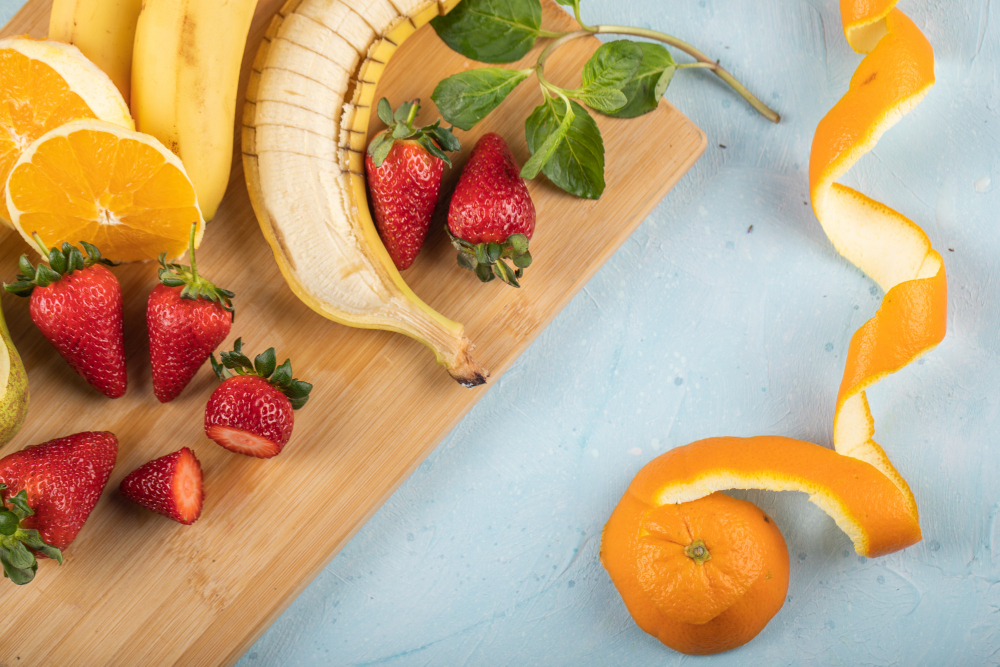
- Common remedies include baking soda, coconut oil pulling, orange or lemon peel, apple cider vinegar, bananas, charcoal, strawberries, hydrogen peroxide, and turmeric.
- Use with caution; overuse or acids may damage enamel or gums.
- Brush well and avoid foods that can stain teeth.
- If deep, sudden, single-tooth discoloration or persistent problems occur, consult a dentist.
- Regular dental visits can help maintain the whiteness of your teeth.
Home Remedies for Teeth Whitening
According to a survey published in the Journal of the American Dental Association (JADA), more than 80% of adults report wanting whiter teeth. This motivates many to try chemical whitening kits. While these products may offer quick results, they often have accompanying risks such as sensitivity and enamel damage.
That’s why more people are using natural teeth-whitening solutions to safely restore their smiles. By using gentle, everyday ingredients, you can remove surface stains without harsh chemicals or expensive cosmetic dentistry treatments. Let’s take a look at the types of teeth stains and how you can remove them at home naturally.
Types of Teeth Stains
Surface stains, also known as extrinsic stains, affect only the outer layer of the enamel. These yellow or brown marks usually come from coffee, tea, smoking, or inadequate oral hygiene. Natural remedies can help lighten these stains because they sit on the surface and are easier to remove with gentle exfoliating or whitening agents.
Deep discoloration, or intrinsic stains, occurs inside the tooth, within the dentin layer beneath the enamel. These grey or yellow tones often develop due to aging, trauma, certain medications, or excess fluoride. Since intrinsic stains lie deeper within the tooth, natural remedies are usually not enough. Professional cleaning or cosmetic dentistry treatments, such as whitening procedures or veneers, are needed to improve this type of discoloration.
Natural Teeth Whitening Remedies
Following is a list of 10 home remedies that naturally whiten teeth, along with instructions and precautions:
1. Baking Soda
Baking soda helps neutralize acids in the mouth and gently removes surface stains due to its mild abrasive nature.
- How to use: Mix 1 tsp of baking soda with a few drops of water to form a paste. Brush for 1-2 minutes, then rinse well.
- Frequency and precautions: Use 1-2 times a week. Avoid overuse, as frequent abrasion can weaken enamel over time.
2. Oil Pulling with Coconut Oil
Coconut oil may help reduce bacteria and plaque buildup, which can make teeth appear cleaner.
- How to use: Swish 1 tsp coconut oil in your mouth for 10-15 minutes, then spit it out and rinse.
- Frequency and precautions: Safe for daily use. Do not swallow the oil.
3. Strawberry and Baking Soda Scrub
The malic acid in strawberries can help lift surface stains, and baking soda adds mild abrasion.
- How to use: Mash one ripe strawberry with ½ tsp baking soda and apply for 1-2 minutes, then rinse thoroughly.
- Frequency and precautions: Use once or twice a week. Overuse may erode enamel due to acidity.
4. Apple Cider Vinegar Rinse
The antimicrobial properties of apple cider vinegar may help reduce bacteria and discoloration.
- How to use: Dilute 1 tsp ACV in ½ cup water and swish for 30 seconds. Rinse with water.
- Frequency and precautions: Limit this remedy to 1-2 times a week. Always use it in a diluted form, as frequent or undiluted use can increase acidity and weaken the enamel.
5. Activated Charcoal Powder
Activated charcoal can bind to surface stains and absorb impurities.
- How to use: Dip a wet toothbrush into charcoal powder and brush for 1-2 minutes, then rinse thoroughly.
- Frequency and precautions: Use 1-2 times a week. It can be abrasive, so avoid applying heavy pressure.
6. Orange or Lemon Peel Rub
Citrus peels may help reduce mild stains, but they are naturally acidic.
- How to use: Rub the inner peel on teeth for 1-2 minutes, then rinse.
- Frequency and precautions: Use sparingly. Overuse can weaken enamel due to acidity.
7. Brushing with Aloe Vera Gel
Aloe vera contains antibacterial properties that may help reduce plaque and soothe gums.
- How to use: Brush with pure aloe vera gel for 1-2 minutes, then rinse.
- Frequency and precautions: Safe for daily use. However, stop using it if any sensitivity occurs.
8. Turmeric Paste
Curcumin in turmeric exhibits antibacterial and anti-inflammatory properties.
- How to use: Take 1 tsp of turmeric powder and mix it with water into a paste. Brush for 1-2 minutes, then rinse well.
- Frequency and precautions: Limit use to once or twice a week. Use it cautiously because it can stain fabrics and other surfaces.
9. Banana Peel Method
Potassium and minerals in bananas may help remove stains.
- How to use: Rub the inner banana peel on teeth for 1-2 minutes, then rinse.
- Frequency and precautions: Use sparingly. It is generally safe, but it may not work for everybody.
10. Eating Crunchy Fruits and Vegetables
Crunchy foods help remove plaque and food particles through a natural scrubbing action.
- How to use: Eat crunchy fruits and vegetables, such as apples, carrots, and cucumbers, regularly.
- Frequency and precautions: Safe for daily consumption. No special precautions needed.
Caution While Using Natural Teeth Whitening Remedies
The following are some cautions to be kept in mind while using natural teeth whitening remedies to protect your enamel:
- Using too much acid, such as lemon juice, actually wears away the enamel, causing sensitivity and even damage to the teeth.
- Abrasives like baking soda or activated charcoal, if applied too hard or too frequently, will wear away the protective layer of enamel.
- Limit natural whitening treatments to 2-3 times a week to avoid erosion of the enamel.
- People with tooth sensitivity, gum irritation, or dental issues should always consult a dentist before trying any at-home whitening process so they do not exacerbate symptoms further.
It is important that natural teeth whitening be combined with good oral hygiene and regular dental checkups for the best results and safety. For individualized recommendations on whitening natural teeth, consult your dentist.
Tips to Maintain White Teeth Naturally
Maintaining white teeth requires a combination of good oral hygiene habits and lifestyle adjustments. Here are some tips from our experts at Hopkins Family Dentistry to help you achieve a brighter smile:
- Limit your consumption of coffee, tea, and other chromene-containing beverages, or sip through a straw to minimize the amount that touches your teeth to avoid stains and discoloration.
- Brush your teeth at least twice a day and floss once each day to remove plaque and food particles that cause stains and cavities.
- Avoid smoking and tobacco use, as these products greatly stain and discolor teeth.
- Swish water around your mouth after eating or drinking to neutralize acid and reduce tooth staining.
- Visit your dentist every six months for a professional cleaning to help prevent oral health issues and catch any problems early on.
Takeaway
Natural teeth whitening remedies can help reduce surface stains when used correctly and in moderation. For more significant or stubborn discoloration, dentists can assess your oral health and provide professional options, including in-office or at-home laser teeth whitening treatments, to achieve a brighter, more radiant smile.
Whether you want professional advice on natural teeth whitening or would like to upgrade to more advanced cosmetic dentistry options, consult Hopkins Family Dentistry. Our expert dentist in Hopkins designs individualized treatment plans, supported by the latest technology, to give you your ideal smile.
Call Hopkins Family Dentistry at (952) 935-2121 to book your appointment today and take the first step toward a healthier and brighter smile! You can also visit our clinic at 1919 Main Street, Hopkins, MN 55343, or email us at office@familydentistryhopkins.com
FAQs
How long does it take for natural teeth whitening remedies to show results?
The results vary with the remedy and the person, but noticeable changes generally may appear within 1-2 weeks with consistent use and good oral hygiene practices.
Are natural teeth whitening methods safe for sensitive teeth?
Some methods, such as baking soda or activated charcoal powder, can heighten sensitivity; if you have sensitive teeth or gums, consult a dentist before trying remedies.
Can I use these natural teeth whitening remedies every day?
No, most remedies are for occasional use; overuse can result in enamel erosion or sensitivity. So follow the guidelines.
Is it safe to combine multiple natural teeth whitening methods?
Combining methods can increase the risk of enamel erosion or sensitivity. Consult a dentist before mixing remedies, and start with gentle, low-frequency approaches to monitor tolerance.
Which natural ingredients are most effective for teeth whitening?
Baking soda, strawberries, and coconut oil are among the most effective natural ingredients for reducing surface stains. For deeper discoloration, professional cosmetic dentistry treatments are usually needed.