
Key Takeaways
- Porcelain veneers generally last 10-15 years, while composite veneers last around 5-7 years.
- The lifespan of your veneers depends on factors such as oral habits, tooth condition, smoking, bite, and daily care.
- Brush and floss regularly, and attend routine dental appointments to help protect your veneers.
- Avoid nail-biting, teeth grinding, and biting hard objects, which can place extra stress on veneers.
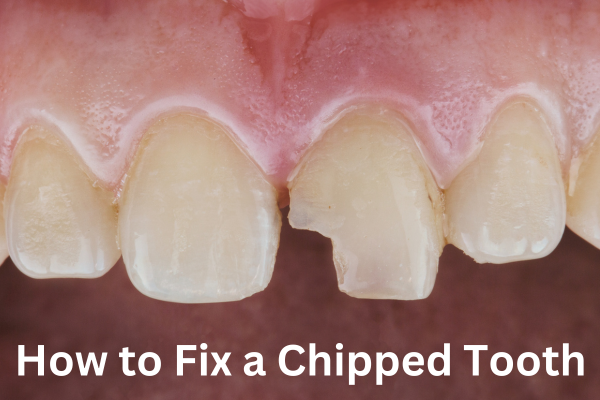
- Contact your dentist if a veneer chips, cracks, wears down, or becomes loose, as it may need to be repaired or replaced.
How Long Do Veneers Last?
If you are considering veneers to improve your smile, it is natural to wonder how long they last and if they are really worth the investment. At Hopkins Family Dentistry, we often explain that the answer depends on the type of veneer you choose and how well you care for it.
Veneers generally come in two main types, porcelain (ceramic) and composite resin, which is made from a blend of plastic and glass. Porcelain veneers are thin, custom-made coverings attached to the front surface of your teeth. Composite veneers use a tooth-colored resin applied directly to the teeth. We offer both options as part of our cosmetic dental services.
So, how long do veneers last? Porcelain veneers can last approximately 10 to 15 years, and composite veneers generally have a lifespan of about 5 to 7 years. Studies have reported 10-year survival rates of composite veneers to be from about 52% to 90%. The ceramic veneers have the highest reported 10-year survival rate, between 91% and 100%.
Which Factors Affect the Longevity of Dental Veneers?
Here are some key factors that can influence the lifespan of your veneers, from everyday habits to regular maintenance. Understanding both patient-based and clinician-based factors can help you make informed decisions.
Patient-based Factors
- Parafunctional habits: Teeth grinding, clenching, and nail-biting can exert additional pressure on veneers.
- Smoking: Smoking may lead to discoloration along the edges of the veneer, which could impact the appearance over time.
- Mouth breathing: People who regularly breathe through their mouth may be less suitable candidates for veneers because it can contribute to a dry mouth, which may affect oral health and the long-term success of veneers.
- Tooth condition: Heavily fluoridated or baby teeth may not bond as well with veneers. Veneers placed on teeth that no longer have a healthy living pulp may have a higher risk of failure over time.
- Edge-to-edge bite: An edge-to-edge bite can put extra pressure on veneers and may shorten their lifespan.
- Patient care and maintenance: The long-term success of veneers depends greatly on how well patients care for and maintain them.
Clinician-based Factors
- Preserving natural tooth structure: Keeping as much healthy enamel as possible when preparing your tooth for a veneer can help create a stronger bond between the veneer and tooth, supporting longer-lasting results.
- Treatment planning and placement: Proper case planning, conservative tooth preparation, careful cementation, and finishing are important for the long-term survival of veneers. Choosing the right materials and planning for regular maintenance can also help veneers last longer.
How Should You Care for Veneers?
The long-term success of veneers depends on your daily care and regular dental visits, making maintenance a shared effort between you and your dental team. These simple veneer maintenance tips from our experts, Dr. Anna Clayton, can help you understand how to care for veneers and support their long-term lifespan:
- Brush and floss regularly: Brush and floss around your veneers as you do for your natural teeth.
- Choose your toothpaste carefully: Avoid abrasive toothpaste and toothpaste with high fluoride concentration.
- Avoid habits that put pressure on veneers: Refrain from oral habits that place excessive force on the teeth, such as nail-biting and forceful biting.
- Protect your veneers during sports: Wear a soft acrylic mouthguard during contact sports.
- Choose the right cleaning method: Avoid ultrasonic scaling; routine hand scaling is recommended instead.
- Keep up with regular dental visits: Maintain regular dental visits. Your dental professional may schedule a follow-up appointment after a few weeks to evaluate your veneers.
Signs Your Dental Veneers Need Replacement
At Hopkins Family Dentistry, we encourage you to watch for these signs that your veneers may need repair or replacement:
- Chipping: A small piece of the veneer may break off
- Cracking: You may notice a visible crack or fracture in the veneer
- Wearing down: The veneer may become worn over time
- Loosening: A veneer may become loose or detach from the tooth
Keeping Your Smile Strong With Veneers
The answer to how long veneers last depends on the type of veneer you choose, your oral habits, and how well you care for them. At our practice, Hopkins Family Dentistry, Dr. Anna Clayton can help you understand your options and offer personalized treatment planning and guidance on veneer care so you can enjoy your smile for years to come.
If you are considering veneers, take a look at our cosmetic dental services or visit our dental office in Hopkins, MN, to learn more about your options.
Phone: (952) 935-2121
Address: 1919 Mainstreet, Hopkins, MN 55343
Email: office@familydentistryhopkins.com
FAQs
Yes, you can still enjoy coffee with veneers. Porcelain veneers are less likely to stain, but composite veneers can discolor more easily. If you have composite veneers, try to limit coffee and other drinks or foods that can cause staining.
Yes, veneers can become less bright over time. Whitening treatments will not change the color of veneers, but your dentist may be able to polish away surface stains.
Although it is uncommon, a veneer can occasionally come loose. If this happens, carefully save the veneer and do not try to reattach it with glue. Contact your dentist’s office as soon as possible to schedule an appointment. In the meantime, choose soft foods and chew on the opposite side of your mouth. Avoid foods and drinks that are very hot, cold, or sugary.
The veneer procedure is generally comfortable, and most people feel little to no pain. Your dentist may numb the area, while any mild sensitivity afterwards usually fades within a short time.